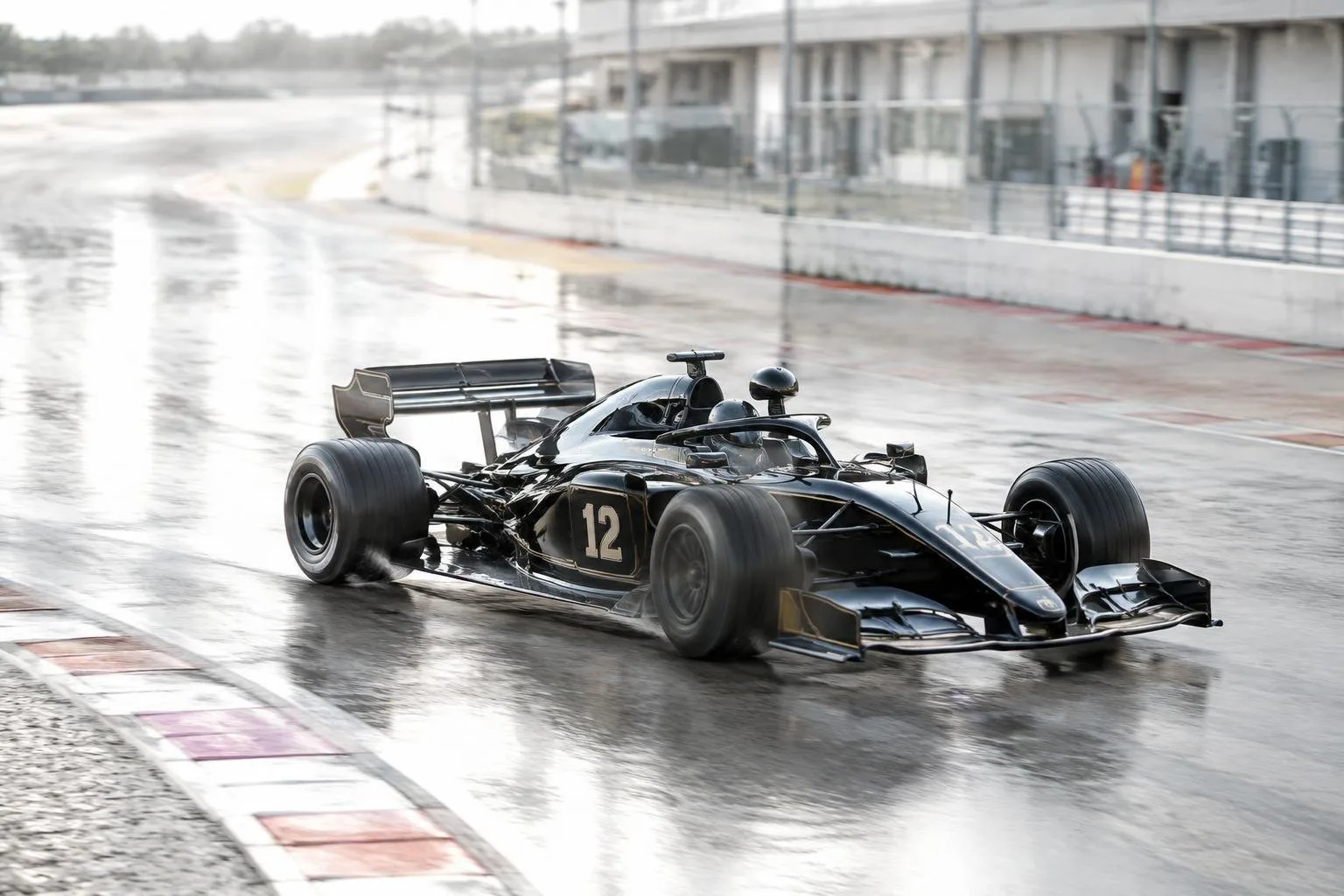
At the close of a dramatic season in Mexico, a 20-year-old rookie crowned world champion chose not to adopt the traditional “number one” that marks a defending champion. Instead, Kimi Antonelli announced he will race the 2027 season with the same number 12 that has identified him since his first steps in single-seaters. The decision intertwines personal superstition, a desire for humility, and a deep admiration for the late three-time champion Ayrton Senna.
Why number 12 remains Antonelli’s lucky charm
Antonelli explained that every attempt to wear the digit one resulted in “extremely bad” outcomes, cementing a belief that the numeral carries misfortune for him. By staying with 12, he feels anchored, allowing a “new point where to start and build on everything again” while maintaining a modest mindset. The young Italian also highlighted that the number links directly to Senna, who first claimed a world title with McLaren in 1988 while sporting the same number. Retaining it therefore becomes a living homage, merging personal superstition with historic reverence.
Ayrton Senna tribute helmet for the Brazilian Grand Prix
In a heartfelt gesture ahead of the race at Interlagos, Antonelli unveiled a custom yellow helmet dedicated to Senna. The design, which he described as “one of the best helmets I’ve made,” features Senna’s iconic red and black motifs and incorporates the legendary driver’s emblem on the visor. Before the weekend’s practice sessions, Antonelli visited Senna’s gravesite, underscoring the emotional weight of the homage on a circuit where the Brazilian hero achieved his storied 1991 victory after battling a gearbox stuck in sixth gear. Antonelli noted that Senna’s relentless work ethic, empathy, and passion for racing inspired him from childhood, making the helmet more than a visual statement—it is a personal salute to the man who shaped his racing philosophy.
Senna’s 1991 Honda NSX fetches record price at auction
While Antonelli honors Senna on the track, another piece of the Brazilian legend’s heritage changed hands in London. The 1991 Honda NSX, famously nicknamed the “hosepipe” car for its slender silhouette, sold at RM Sotheby’s The London auction 2026 for £871,250—approximately R19.2 million—surpassing the pre-sale expectation of £1 million by nearly £3 million. The vehicle, painted in Formula Red with a black roof and interior, still bore Senna’s personal touches, including his helmet badge on the dashboard. Beyond its aesthetic value, the NSX is celebrated for Senna’s direct involvement in its development, highlighted by a video of him negotiating Suzuka’s corners in loafers while executing seamless heel-and-toe shifts. The auction outcome underscores the enduring market appetite for artifacts linked to Senna’s legendary status.
Antonelli’s decision to keep number 12 and the unveiling of his Senna-inspired helmet illustrate a young champion who respects the sport’s history while forging his own path. The parallel auction of Senna’s NSX demonstrates how the driver’s legacy continues to resonate across both motorsport and collector circles, reinforcing the timeless bond between past icons and tomorrow’s stars.