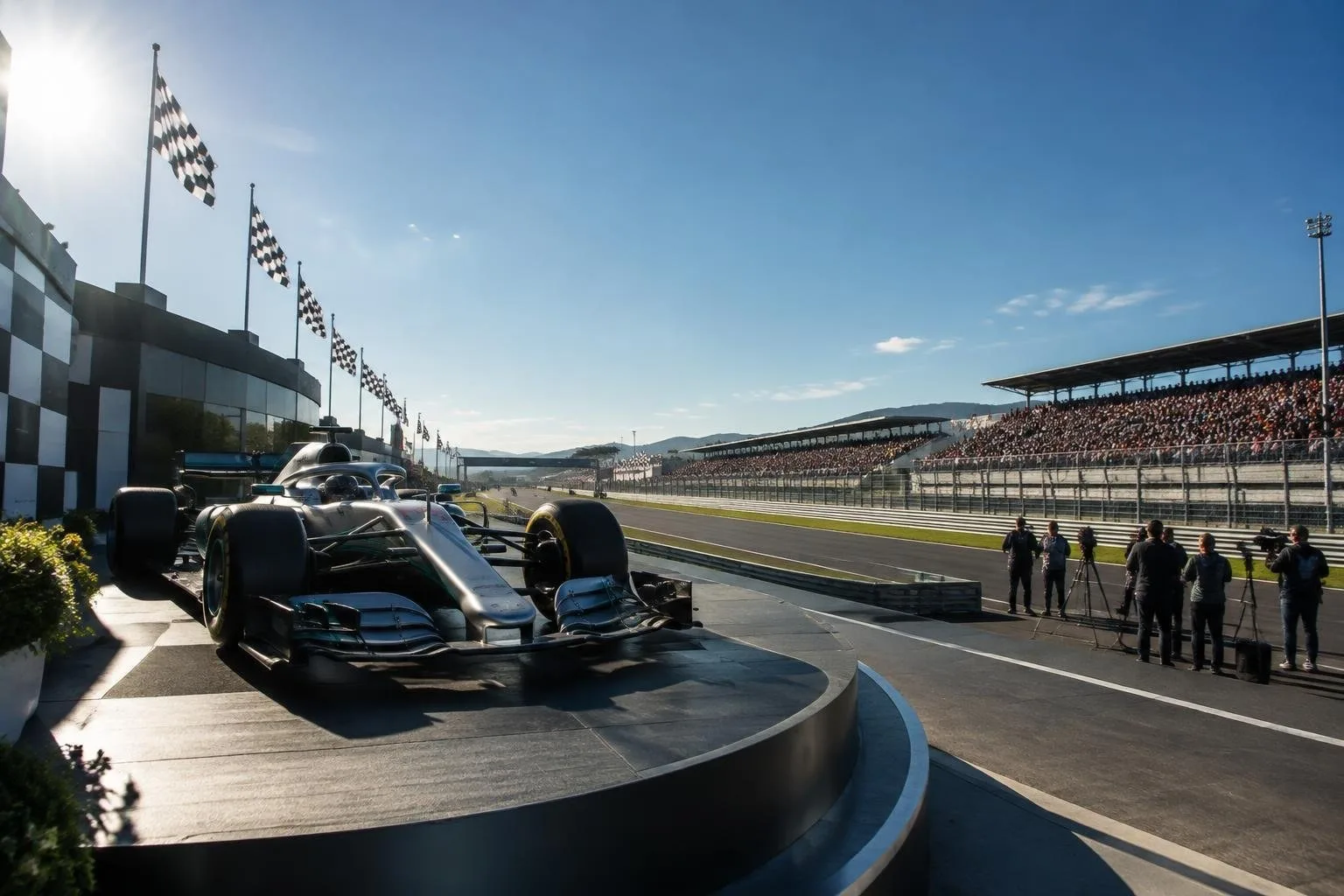
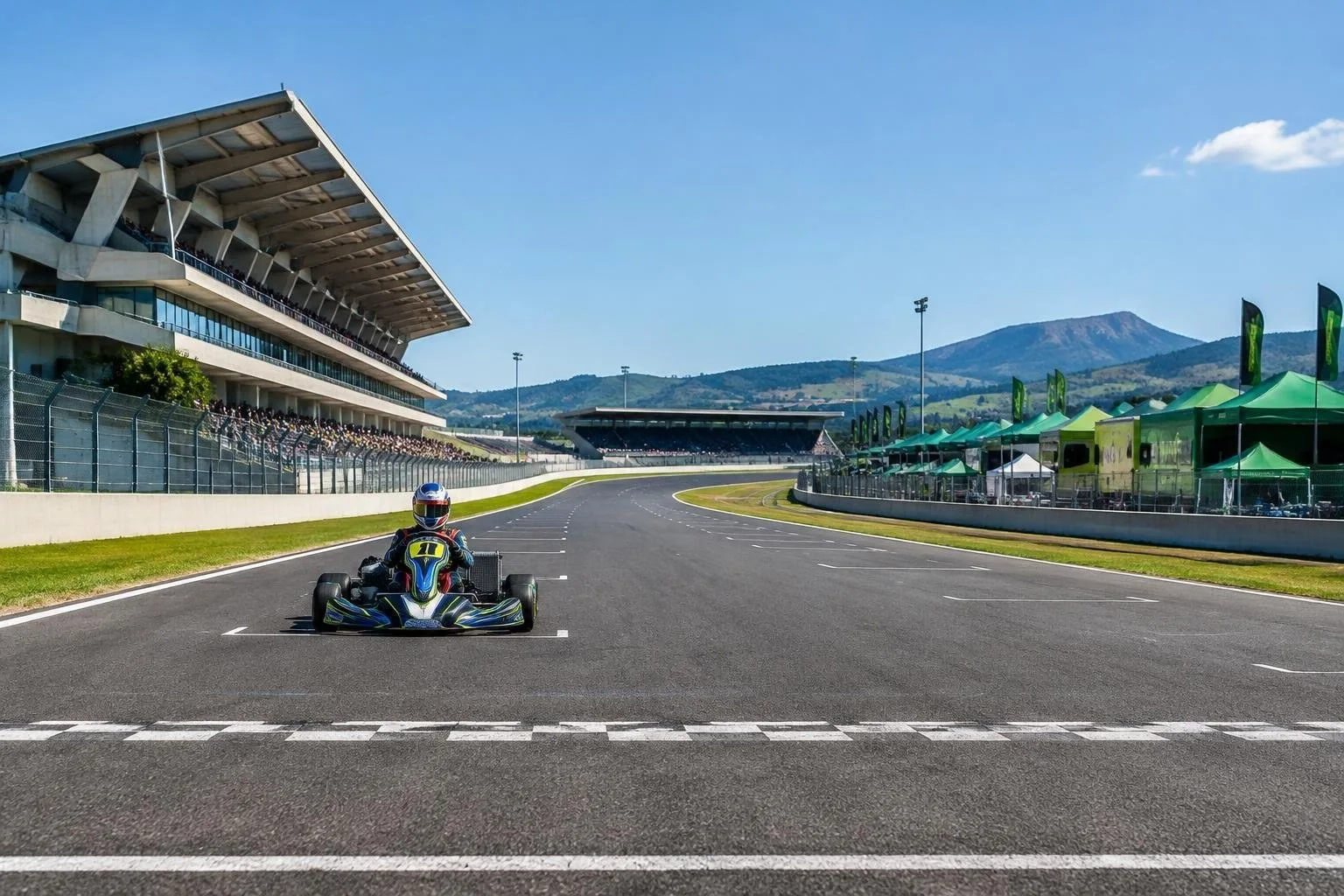
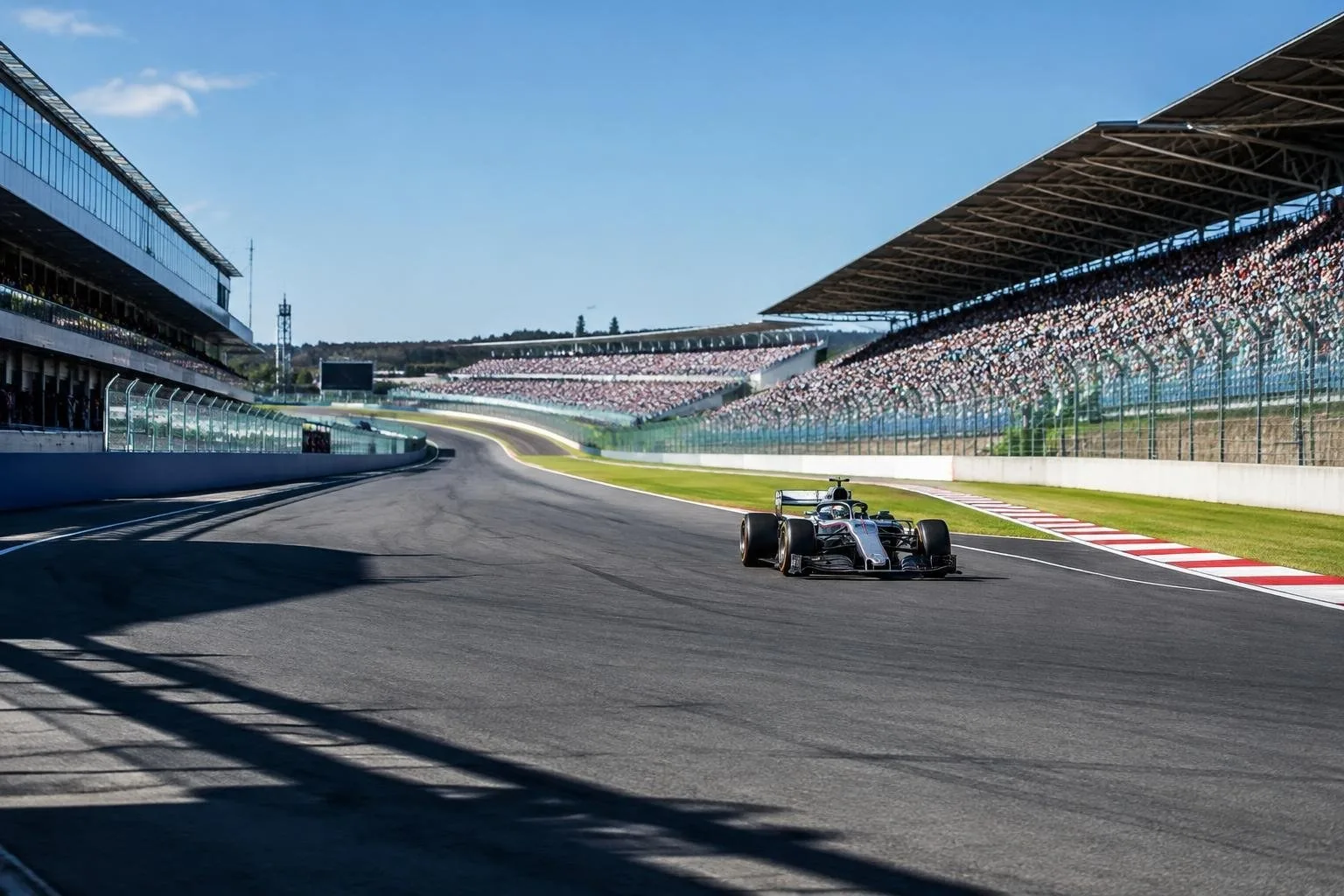
Racing is not just about speed, it’s about strategy and pacing. To build consistent laps, drivers need to develop a range of skills, from reference points to tire management. By mastering these techniques, drivers can improve their pace and stay safe on the track.
One of the key elements of racing strategy is segment goals. By breaking down the track into smaller segments, drivers can focus on specific areas of improvement and develop a more consistent pace. This approach also helps drivers to manage their tire wear and avoid overheating or underheating their tires.
Reference Points and Segment Goals
Reference points are critical for building consistent laps. By identifying specific points on the track, such as turn-in points or apexes, drivers can develop a more precise and consistent driving style. Segment goals also play a crucial role in this process, as they help drivers to focus on specific areas of improvement and develop a more efficient pace.
For example, a driver may set a segment goal to improve their speed through a particular corner or straight. By focusing on this specific area, the driver can develop a more efficient line and improve their overall pace. This approach also helps drivers to manage their traffic and avoid collisions or penalties.
Traffic Management and Cooldown Timing
Traffic management is a critical aspect of racing strategy. By developing a range of skills, from overtaking to defending, drivers can improve their pace and stay safe on the track. Cooldown timing is also essential, as it helps drivers to manage their tire wear and avoid overheating or underheating their tires.
For example, a driver may use a cooldown lap to slow down and manage their tire wear. This approach helps to prevent overheating or underheating and ensures that the driver can maintain a consistent pace throughout the race.
Simple Telemetry Habits
Simple telemetry habits can also help drivers to improve their pace and stay safe on the track. By monitoring their speed, acceleration, and braking, drivers can develop a more efficient driving style and avoid mistakes or accidents.
For example, a driver may use a telemetry system to monitor their speed and acceleration. This approach helps to identify areas of improvement and develop a more efficient pace. By combining this data with reference points and segment goals, drivers can build a more consistent and efficient driving style.
By mastering these skills and techniques, drivers can improve their pace and stay safe on the track. With practice and patience, anyone can develop the skills and strategies needed to succeed in racing.