
Argomenti trattati
The goal of regular car care is straightforward: prevent surprises and extend the life of your vehicle. Whether you bring your car to a local shop or a national chain, a consistent approach to scheduled maintenance will save time and money. In this guide we cover the basic cadence for routine work, what services are commonly recommended, how shops handle estimates and diagnostics, and the conveniences many modern shops provide, from same-day repairs to complimentary shuttle rides. You will also learn practical facts about the check engine light and what it means for immediate service.
Start with a clear maintenance plan that fits your driving habits and vehicle manufacturer guidance. Most technicians suggest an interval of about 5,000 to 7,500 miles or roughly every six months for routine tasks such as an oil change and inspection, although your owner’s manual is the definitive resource. Understanding the difference between routine upkeep and more involved repairs—an oil change versus an engine diagnostic—helps you prioritize visits and avoid unnecessary work while keeping warranties intact and your car operating safely.
When to schedule service and what to expect
Determine your service timeline by combining manufacturer recommendations with your actual driving conditions. If you frequently tow, drive in extreme temperatures, or do lots of stop-and-go commuting, your vehicle may need attention more often than the general 5,000–7,500 mile range. Shops follow a manufacturer’s maintenance chart known as factory-scheduled maintenance to recommend oil, filter, brake, and fluid services. A qualified technician will perform inspections during routine visits, identify wear items like brakes or tires, and suggest replacements that keep systems performing within design tolerances.
Common services offered
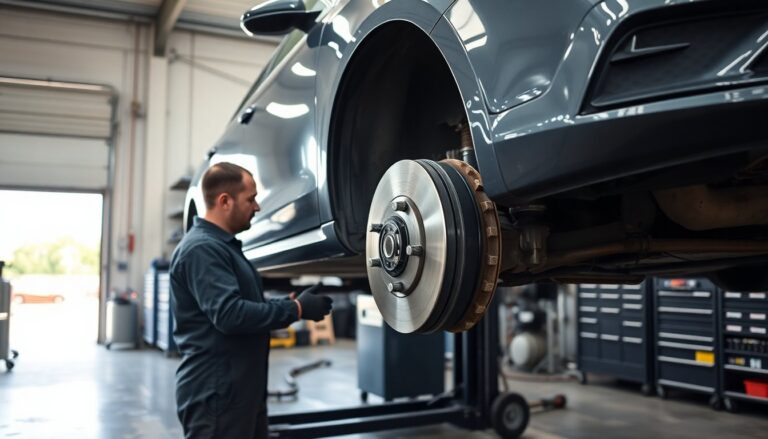
Most service centers provide a broad set of offerings to cover everyday needs and complex repairs: oil changes, brake repairs, wheel alignments, tire rotations, battery replacement, air conditioning service, and cooling system maintenance. For larger issues, shops commonly perform engine and transmission repairs, suspension work, and electrical diagnostics. Tire shops also handle flat repairs, balancing, and TPMS solutions. Knowing which service category your issue falls into will speed diagnosis and help you evaluate quotes.
Booking, estimates and diagnostic procedures
Most shops encourage appointments to minimize wait times, but walk-ins are often accepted when bays are available. Before any work begins, a reputable shop will provide a written or electronic estimate and will only proceed with tasks you approve. Transparency about parts, labor, and recommended services should be part of the conversation. If a job is urgent, many locations offer same-day repairs for routine tasks and may provide loaner vehicles or a shuttle to keep you moving while your car is in the shop.
Estimates, approvals and service reminders
Ask for an itemized estimate so you can compare costs and understand priorities. Good service centers will explain each line item and ask for your authorization before starting work. After maintenance such as an oil change, technicians commonly place a reminder sticker on the windshield to show the next service interval; shops frequently pair this with an electronic reminder program you can enroll in for emailed or text notifications. These small steps reduce the risk of missed services and help maintain a complete repair history.
Understanding warning lights and diagnostics
A check engine light can indicate anything from a loose gas cap to a serious engine or emissions fault. The correct first step is a diagnostic scan performed by a technician to read stored codes and prioritize repairs. Diagnostics narrow down possible causes and prevent guesswork. After the scan, the technician will explain the findings, recommend repairs, and provide an estimate. Prompt diagnostics can prevent minor problems from becoming major, more expensive repairs.
Tires, warranties and conveniences that matter
Shops typically stock a wide variety of tire brands and price points, from premium names to budget-friendly options, and will recommend choices based on driving needs and vehicle specifications. Importantly, having maintenance or repairs performed by skilled independent technicians does not automatically void your vehicle’s warranty; by law, manufacturers cannot refuse warranty coverage solely because service occurred outside a dealership. Many shops also offer extras like complimentary towing with major repairs, free Wi‑Fi, refreshments in the waiting area, and shuttle services to make the experience less disruptive to your day.