
Argomenti trattati
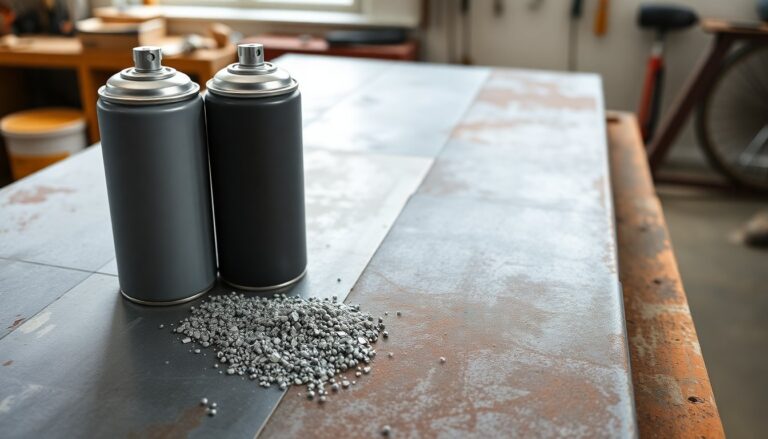
The 12 oz. spray can is offered in both light gray and dark gray, and it was developed specifically to prepare bare metal for lasting finishes. This product uses corrosion-resistant pigments that do more than mask existing oxidation; they interfere with the chemical processes that allow rust to form. For clarity, the term molecular level describes how those pigments act on a microscopic scale to inhibit oxidation. Whether you are beginning a restoration or doing routine panel repair, this primer provides the initial barrier and adhesion layer needed before applying a finish coat.
Fast curing and workflow advantages
One of the defining attributes is the fifteen-minute dry time, which lets you build layers without extended downtime. The phrase dry time here means the interval before the primer accepts another coat or further handling; this quick turnaround supports same-session multiple coats and shortens overall project timelines. A rapid cure is especially useful when environmental conditions or workshop schedules limit extended delays. Because you can apply successive layers promptly, the primer helps form a uniform foundation that conceals minor imperfections and promotes even color when the topcoat is applied.
Protection at the substrate level
As a rust-inhibiting base designed for automotive use, the formulation pairs corrosion control with surface preparation. The product is explicitly compatible with Stops Rust type finishes and labeled as compatible with most auto paints, allowing integration into many established paint workflows. The chemistry targets the metal surface to reduce the likelihood of new oxidation starting, which means the primer contributes long-term durability against moisture and salt exposure. When properly applied, this layer increases the odds that the finish system will resist environmental attack over years of use.
How the corrosion control works
The corrosion-resistant pigments act to slow or halt the electrochemical reactions that produce rust by creating a less reactive microenvironment on the metal surface. Consider passivation as a related concept: it describes how a treated surface becomes less chemically active. In this primer, that effect reduces the chance that surface flaws will propagate into corrosion sites. In practical terms, you get a base coat that not only blocks moisture but actively impedes the mechanisms that lead to material breakdown.
Finishing characteristics and compatibility
Practical finishing relies on two opposing needs: the primer should sand easily for show-quality results, yet also retain enough tooth to promote adhesion for mechanical bonding with subsequent layers. The tooth concept refers to the microscopic texture necessary for paint layers to grip each other. This primer balances both: it can be wet-sanded for glass-smooth surfaces or left slightly textured to accept rapid topcoating. It is specifically formulated to work with automotive lacquers and enamers, which means you can choose either type of topcoat depending on the finish and durability you require.
Application tips and best practices
Begin with thoroughly cleaned and de-greased metal, removing loose rust and contaminants. Hold the 12 oz. spray can at a consistent distance and apply several light passes, allowing the fifteen-minute dry time between coats. If you plan a showroom-level finish, wet-sand after full cure to eliminate texture before applying the final lacquer or enamel. For faster jobs, build adequate film thickness and proceed directly to top-coating. The primer’s adhesion and resistance properties help the finished paint withstand exposure to UV, road debris, and moisture when the complete system is applied correctly.
Where this primer fits in your projects
Whether tackling a classic fender, prepping repair panels, or doing custom bodywork, this product provides the essential bridge between raw metal and the finish coat. It is a rust-inhibiting base that is compatible with most auto paints and suitable for both restorative and performance-oriented builds. Choosing the right color—light gray or dark gray—can help with coverage and visual feedback during sanding. When used according to the suggested process, the primer delivers the protection and mechanical bond your paint job needs to stay attractive and intact through years of use.