
Argomenti trattati
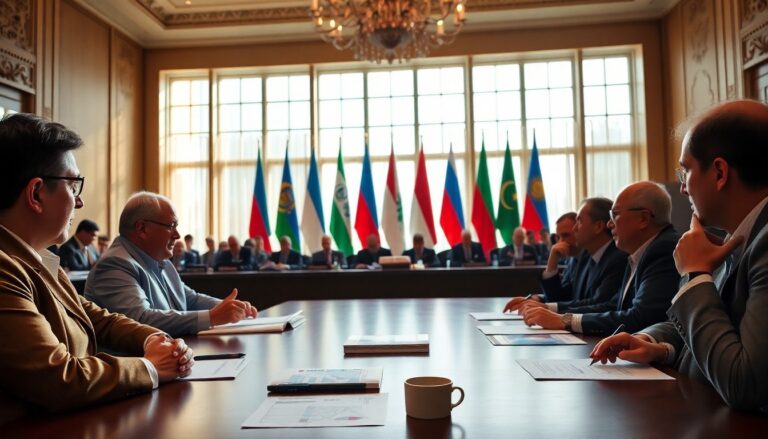
The final assembly of the FIA World Motor Sport Council took place on December 10 in Tashkent, Uzbekistan, marking a pivotal moment for motor sport. Delegates from various National Sporting Authorities (ASNs) convened to discuss essential grassroots initiatives that support the entire motorsport framework. FIA President Mohammed Ben Sulayem led the discussions, highlighting the significance of collaboration and growth across all levels of the sport.
President Ben Sulayem expressed an optimistic outlook, stating, “This year has been characterized by collaboration, growth, and development.” He emphasized the significance of the upcoming 2026 season, highlighting calendars designed to reflect the diversity of the global motorsport community. His reflections on his first term as president revealed a period defined by momentum and purpose, with historic agreements creating new opportunities and fostering broader audience inclusion in motorsport.
Key achievements and regulatory updates
During the recent meeting, several crucial decisions were made that will influence the future of motorsport. A significant achievement was the finalization of the regulatory framework for the FIA World Rally Championship (WRC), which is scheduled to begin in 2027. The newly approved homologation regulations provide clarity and establish a robust structure for manufacturers as they develop the next generation of rally cars. This development is vital as it aims to enhance competition within the championship.
WRC regulations and manufacturer participation
The updated World Rally Championship (WRC) regulations introduce rigorous guidelines for the homologation process of vehicles. Constructors must now produce a minimum of ten units of their homologated cars within 24 months. This requirement ensures that they are prepared to supply at least ten race-ready vehicles each calendar year. Additionally, vehicles are required to participate in at least fifty percent of WRC events during their inaugural year, with full participation expected in subsequent years. This initiative aims to enhance the competitive landscape and encourage greater participation in the championship.
Furthermore, the homologation process has been streamlined by clearly defining the role of Constructors. This integration combines Manufacturer and Tuner entrants under a unified classification. Such a move is anticipated to increase the involvement of various stakeholders in the WRC and stimulate growth across all levels.
Expansion of grassroots initiatives
The council has approved the expansion of the FIA Karting Plan, aiming to enhance the successes observed in previous years. The introduction of new Arrive & Drive championships is scheduled for 2026, furthering the FIA’s commitment to making karting more accessible and inclusive. Following the successful launch of the inaugural FIA Karting Arrive & Drive World Cup in Malaysia, these championships will provide affordable racing opportunities to communities around the globe.
Exciting changes in karting regulations
Significant changes to the sporting format aim to enhance the excitement of karting events. Replacing timed qualifying sessions with short sprint races will provide drivers with increased track time and more dynamic racing action. Each event will include multiple heats, and the introduction of the Impact Data Recorder across all FIA Karting Championships will bolster safety measures by capturing critical data from track incidents.
Furthermore, the FIA Karting Senior Academy Trophy will expand, allowing more drivers to participate and compete at higher levels. These initiatives demonstrate the FIA’s commitment to developing talent and fostering a robust motorsport ecosystem.
New categories and regulatory advancements
FIA introduces new categories to support grassroots motorsport
The FIA World Motor Sport Council has acknowledged the significance of grassroots development in motorsport by introducing two new categories: RX4 and RX5. These categories will be part of the FIA European Rallycross Championship starting in 2026. The primary goal is to lower entry barriers and encourage technical diversity within the sport.
RX4 will utilize existing Rally4 vehicles with minimal modifications, facilitating participation for a broader range of competitors. On the other hand, RX5 will incorporate Cross Car vehicles into the championship, creating an avenue for young drivers to advance to international competition.
In addition, the council reviewed regulatory updates across various disciplines, including Formula One and the World Rally-Raid Championship. These updates are aimed at streamlining event formats and enhancing safety measures, underscoring the FIA’s commitment to providing thrilling and secure sporting experiences.
The FIA World Motor Sport Council has established a comprehensive strategy to advance the future of motorsport. This initiative emphasizes inclusiveness, safety, and sustainability. By promoting collaboration among various stakeholders and implementing innovative regulations, the FIA aims to inspire a new generation of motorsport enthusiasts.