
The opening phase of Mick Schumacher’s first full season in IndyCar has already put him on ovals, full road courses and tight street circuits, and he says the calendar has offered a steep but enjoyable learning curve. In an exclusive interview he explained how working solo in a single seat again—after sharing duties in endurance racing—has helped him focus on a consistent setup philosophy. The series’ schedule means the most important practice runs often come early, and the upcoming official Indy 500 pre-test at the end of April followed by free practice in the second week of May is the biggest immediate milestone. Schumacher describes the campaign as both “super fun” and demanding, with a mix of technical adjustment and track familiarisation still to come. The rookie label sits alongside his determination to translate hard work into results.
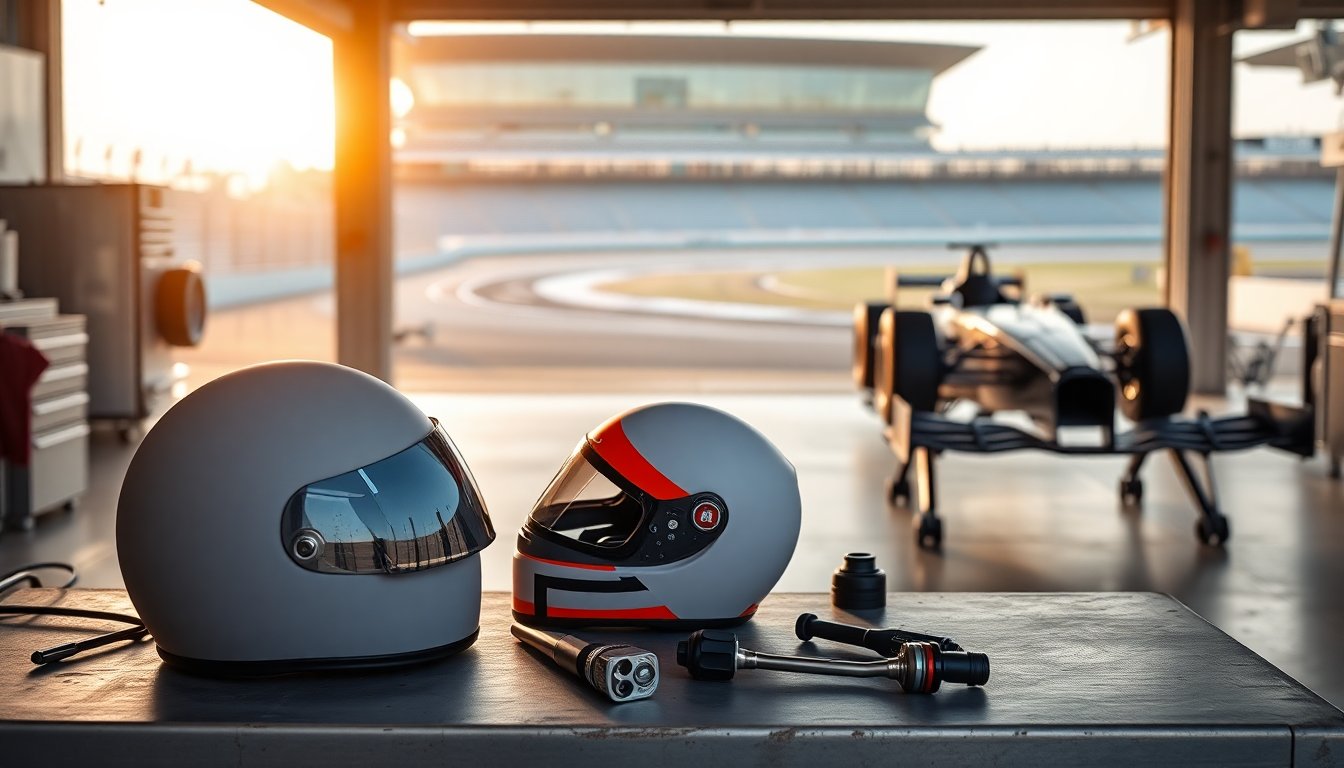
Behind the scenes, Schumacher notes there have been personnel shifts and short-term team adjustments that force ongoing recalibration for race weekends, but he has enjoyed collaborating with engineers like Eddie at recent events. He acknowledged an unlucky streak—highlighted by a pit stop issue and a tyre gun failure during his oval debut—that obscured some promising pace. Schumacher also expressed a desire to contribute to safety discussions and track improvements, drawing on his European single-seater and sports-car background. He stresses that the combination of technical setup and track knowledge will unlock better finishes; for now, the process is about making measured changes and extracting every learning lap from limited practice time.
How IndyCar weekends reshape setup and strategy
One of Schumacher’s earliest realisations was how different an IndyCar weekend feels compared with his previous championships: on many events you get just one meaningful session on Friday, and the timetable compresses quickly into the Saturday qualifying window. That structure forces teams to be precise with setup calls because there is limited time to reverse major decisions before qualifying. Schumacher describes FP1 as a crucial moment to get the base feeling right and then stay with that direction over the short, intense schedule. For a driver still learning the tracks, those opening laps are often used more for reconnaissance than aggressive optimisation, which can leave less room to prepare the car for race day versus more familiar competitors.
Driver-first engineering vs data-led philosophies
He draws a clear contrast between IndyCar and Formula 1 in terms of engineering approach: in IndyCar the team frequently tunes the car to match the driver’s natural style, while in F1 the process tends to be more data-driven and guided by a predefined engineering philosophy. Schumacher admits his European experience made him adept at adapting to a car, but here he must instead coach the team toward a consistent baseline that complements his driving, avoiding constant self-adjustment. That switch—from adapting to a machine to aligning the machine with the driver—is a subtle but significant cultural and technical change for a racer used to rapid set-up turnover in single-seater ladder categories.
Rookie hurdles: track knowledge, time and the long view
Learning the layout and surface of each circuit remains Schumacher’s biggest immediate obstacle. He estimates he still needs around ten to fifteen laps at a new venue simply to feel comfortable, which are laps his rivals can use for optimisation. That gap in accumulated track mileage explains why he and others think progress to a consistent top-10 contender could take time—perhaps a season or two—mirroring the development arcs he experienced in F3 and F2. Another factor is the relative longevity of the car package in IndyCar: teams and drivers have refined this platform for many years, roughly a 16-year evolution in some respects, so long-term incumbents benefit from institutional knowledge that’s not available to newcomers.
Pressure, routine and the need to perform
Schumacher is frank about his work ethic: coming from the intense European scene, he maintains high standards and a constant drive to out-work competitors. He believes that easing off the pressure too much would cost performance, especially while he is still collecting track miles. At the same time he recognises the importance of balance and wants to enjoy racing, but not at the expense of the meticulous preparation that his role demands. That mindset drives him to treat each weekend like a concentrated training block—fine-tuning his relationship with the car, the pit crew and the engineers so that opportunities can be converted into results.
Indy 500 entries: field size questions and timelines
The build-up to the Indianapolis 500 also carries uncertainty. As of now there are 31 confirmed entries and Jacob Abel of Abel Motorsports is widely expected to become the 32nd, but reaching the traditional 33-car grid has not been assured. The unofficial entry deadline was April 1, while late entries are permitted until 6 p.m. on May 15, the day before qualifying begins. As May 24 approaches, some teams are still evaluating whether to add extra cars: Andretti Global opted not to field a fourth entry after scheduling conflicts, and the status of Prema Racing hinges on the outcome of a potential sale and IndyCar approval of any new ownership before the event. With those unknowns, organisers say bumping—the process that reduces the field to 33 by ousting slowest qualifiers—looks unlikely but remains a possible storyline depending on late entries and approvals.


