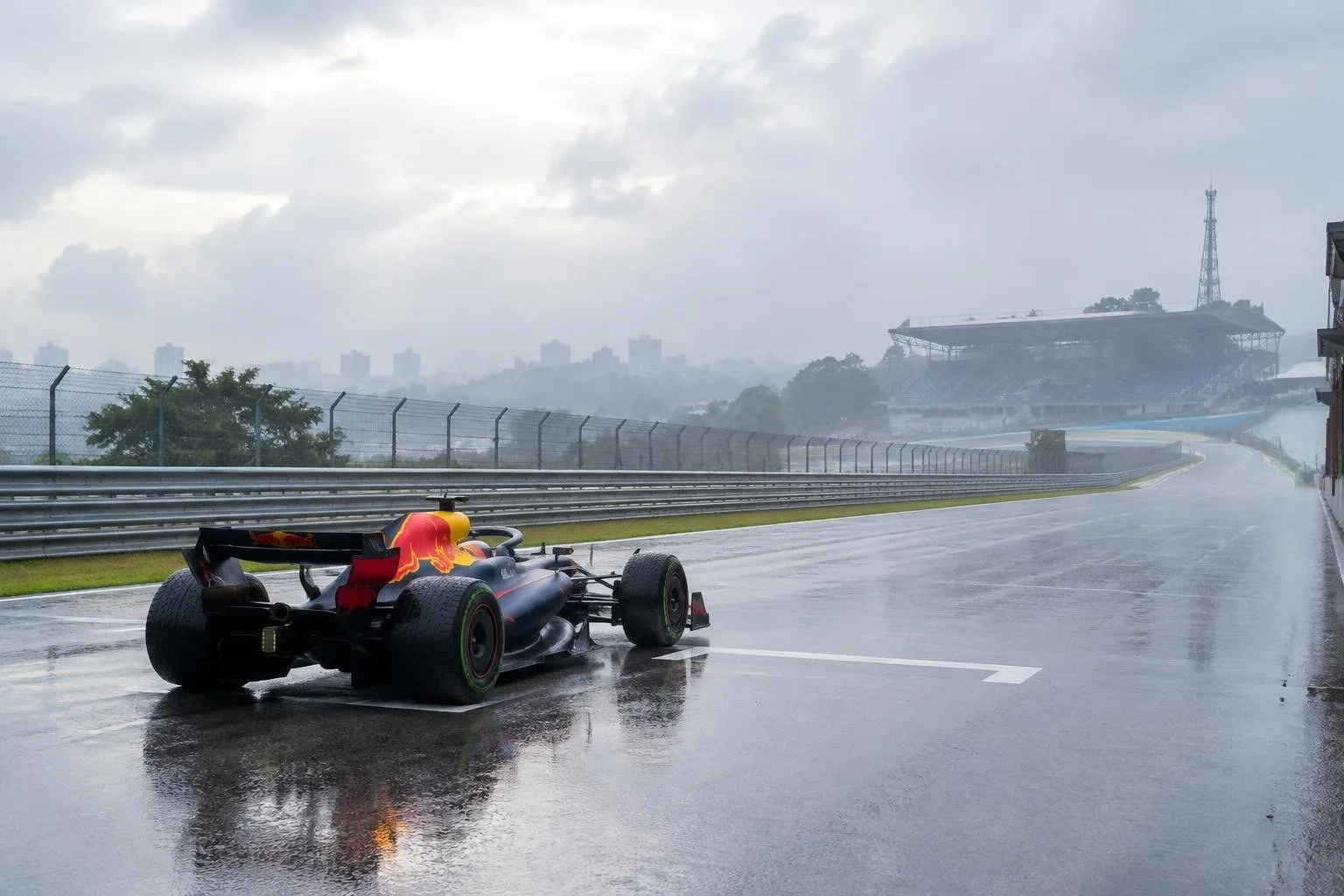
The Dutch driver Max Verstappen arrives at the Brazilian Grand Prix under unusual circumstances. A fresh power unit has been installed on his Red Bull Racing car, triggering the sport’s standard grid-penalty. As a result, Verstappen will line up at the very end of the starting grid, a stark contrast to his usual front-row appearances.
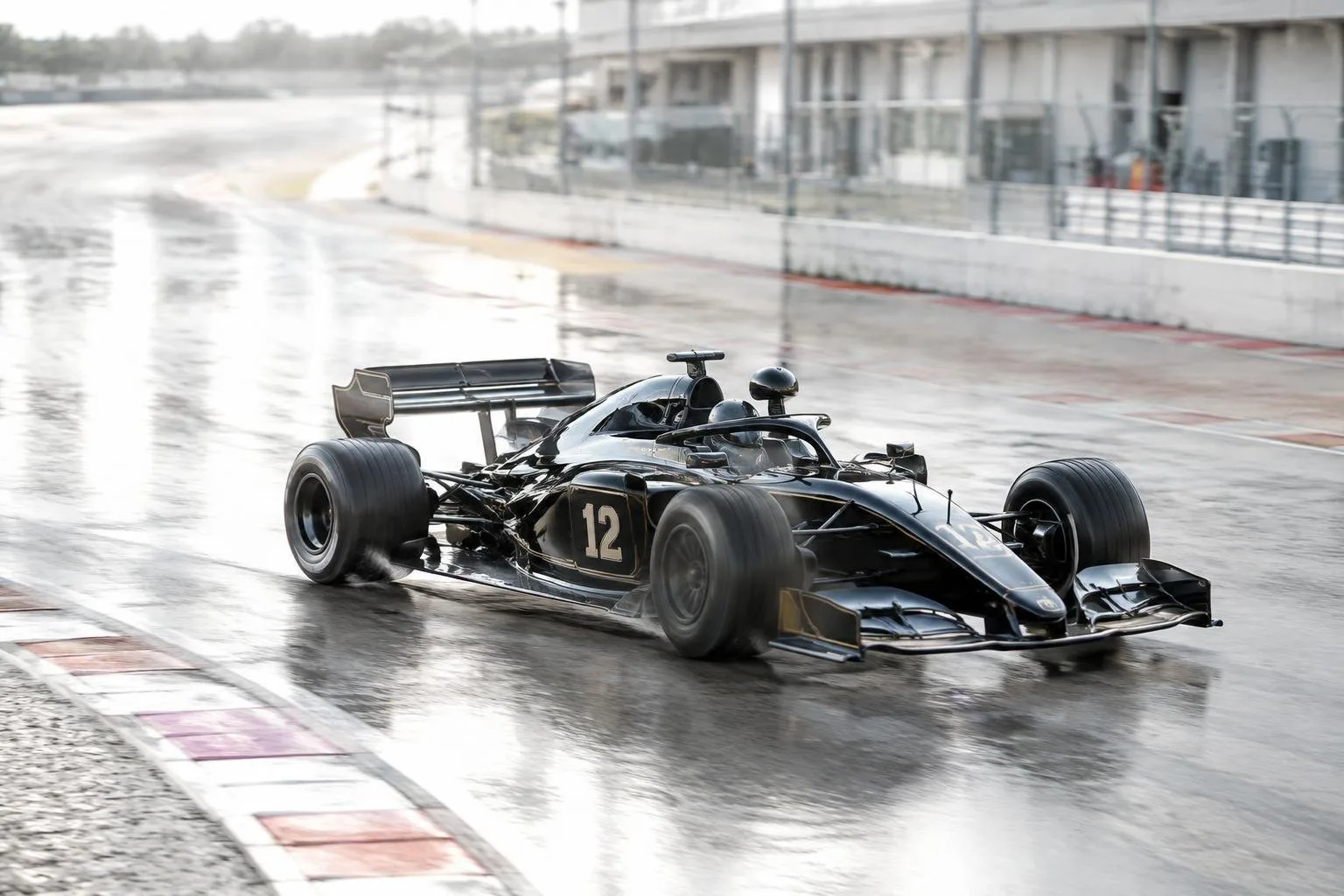
Adding another layer of complexity, the official weather outlook predicts heavy rain throughout the race weekend. Wet conditions are rare at the iconic São Paulo circuit, and they tend to amplify any advantage a driver can extract from a chaotic start. For a champion accustomed to dictating pace, the combination of a back-of-grid start and slippery tarmac creates a scenario that could test both skill and strategy.
Technical setback forces Verstappen to start from the rear
The decision to replace the power unit was taken after the team identified a performance shortfall during the previous trial runs. Under FIA regulations, swapping a major component after the parc fermé period incurs a mandatory grid-drop. In Verstappen’s case, the penalty translates into a start from the last row, irrespective of his qualifying times. While the new unit promises higher horsepower and improved reliability, the immediate cost is a loss of track position that could prove decisive on a rain-slick track.
Historically, a back-of-grid launch has forced teams to adapt their race-day tactics dramatically. Pit-stop timing, tyre choice, and overtaking plans become paramount. Red Bull’s engineers have already hinted at an aggressive tyre-warming programme and a willingness to gamble on an early switch to intermediate compounds if the rain intensifies. The goal is to capitalize on any safety-car periods that often accompany wet races, allowing Verstappen to climb the order without expending excessive fuel or tyre life.
Rain looms over São Paulo, reshaping race strategy
The forecast for the weekend calls for intermittent showers, with a high probability of standing water on the main straight and the notorious Senna “Subida” entrance. Wet surfaces dramatically reduce braking efficiency and increase the likelihood of lock-ups, making driver confidence a critical factor. In such conditions, the usual aerodynamic advantage of a front-row starter can be neutralised, giving a skilled overtaker an opportunity to make up ground.
Teams will be monitoring the meteorological data in real time, ready to adjust their strategies on the fly. A sudden downpour could prompt an early deployment of the wet-weather tyre line-up, while a brief dry spell might tempt some crews to stay on slicks longer than usual. Verstappen’s experience in slippery conditions, coupled with the fresh power unit’s torque characteristics, may allow him to extract more grip than his rivals when the track is at its slickest.
Past comeback offers a blueprint for the Dutch driver
Verstappen is no stranger to turning adversity into triumph. In 2024, he secured a victory at the same venue after starting near the back due to an unforeseen elimination in Q2. That win demonstrated his ability to navigate traffic, manage tyre wear, and execute decisive overtakes under pressure. A year earlier, after a similar power-unit swap, he finished third behind Lando Norris and Andrea Kimi Antonelli, further proving that a fresh engine can be a catalyst for rapid recovery.
Those previous performances provide a psychological edge. Knowing that he has already turned a penalised start into a podium, Verstappen can approach the Brazilian race with confidence rather than caution. The combination of a potent power unit, strategic ingenuity, and the unpredictable nature of a rain-wet circuit may enable him to replicate, or even surpass, his 2024 feat. Fans will be watching closely to see whether the Dutch champion can once again rewrite the script from the very back of the grid.