
Argomenti trattati
The opening day of track action at Suzuka set the tone for a weekend where precision and balance will matter most. During practice on March 27, 2026 teams concentrated on extracting data from a complex layout defined by rapid direction changes and the fearsome 130R. Engineers focused on tyre heating, aerodynamic balance and fuel loads while drivers hunted for rhythm through the flowing sections. This initial running was dominated by a mix of short runs for outright pace and longer sequences intended to simulate race conditions — the latter often referred to as long runs.
How teams allocated those laps quickly shaped the leaderboard. Some squads used the sessions to validate hardware and software settings, others to diagnose faults: McLaren wrestled with an aero rig and a hydraulic leak, Audi endured reliability interruptions, and Williams juggled incidents on-track. Across the field, tyre strategy and setup choices under the 2026 regulations were already influencing who looked competitive and who still had work to do.
Why Suzuka magnifies setup and tyre choices
Suzuka’s combination of fast sweepers and tight changes places a premium on a balanced car that can carry speed without becoming unsettled under braking. Teams spent Friday assessing the three available tyre compounds, logging how each behaved under different loads and on varying fuel levels. Engineers talked about tyre temperature windows and degradation patterns as central pieces of the puzzle; understanding these parameters during single lap and race simulations is essential to plan qualifying attempts and stint strategy. The circuit also exposes any weaknesses in high-speed stability, meaning the margin for error is small — a compromised setup at Suzuka typically shows up immediately in lap time and driver confidence.
Team-by-team themes from practice
McLaren and Mercedes: front-runners and fine margins
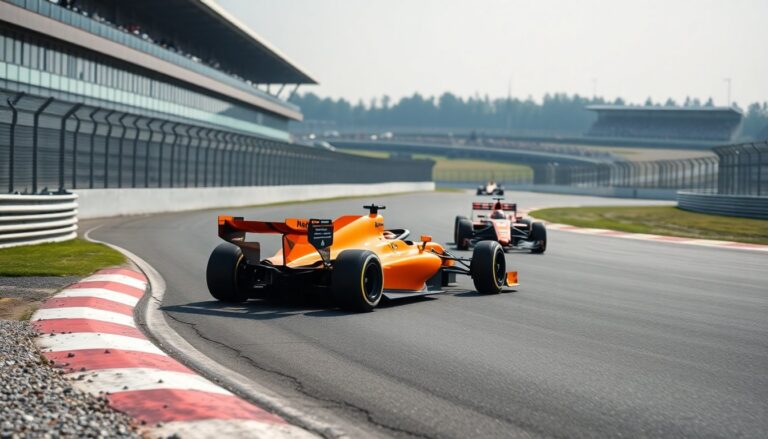
McLaren emerged with encouraging raw pace despite interruptions. Lando Norris carried out early aero calibrations in FP1 and later lost running time to a hydraulic leak, finishing the sessions with times of 1:31.798 (P3) and 1:30.649 (P4). Oscar piastri topped the second session (1:30.133) after solid progression, suggesting the team found a promising setup window. Mercedes also looked strong: George Russell led FP1 with 1:31.666 and posted 1:30.338 in FP2 (P3), while Kimi Antonelli matched closely with 1:31.692 and 1:30.225 in his runs. Both teams flagged areas to refine overnight, with an emphasis on balance into the final chicane and extracting extra tenths for qualifying.
Midfield tightness and reliability notes
The midfield was compressed and competitive. Ferrari’s Charles Leclerc and Lewis Hamilton ran consistently (Leclerc 1:31.955 / 1:30.846, Hamilton 1:32.040 / 1:30.980) but trailed the McLarens on the timesheets, with the Scuderia citing qualifying pace as a target for improvement. Audi had mixed fortunes: Nico Hülkenberg moved from P12 in FP1 to P7 in FP2 (1:32.798 / 1:31.441), while Gabriel Bortoleto lost time to a precautionary gearbox change and limited running (1:32.759 / 1:31.933). Williams saw drama for Alex Albon — from gravel excursions to pit-lane releases — yet he still managed P8 in FP2 (1:33.697 / 1:31.496), underscoring the fine line between incidents and strong lap times.
Looking to qualifying and the race
The data collected on Friday gives teams a blueprint for how to prioritise work before qualifying. Expect squads to chase setup improvements, optimise tyre compound usage in qualifying trim and verify fuel strategy assumptions. For some teams, the objective will be consolidating a good starting position given how difficult overtaking can be around Suzuka; for others, solving reliability gremlins and ensuring consistent race pace will be the priority. The close gaps across the field suggest qualifying will be decisive — small adjustments overnight could shuffle the order significantly.
Final takeaways
Friday at Suzuka provided clear signals: McLaren has pace but must manage interruptions, Mercedes remains a strong benchmark, and the midfield is tighter than earlier rounds suggested. With multiple teams reporting areas to refine, the overnight analysis and setup changes will be crucial. As the weekend progresses, watch for teams translating their Friday findings into sharper qualifying performances and smarter tyre choices for Sunday; Suzuka rewards precision, so execution will determine who truly leads this battle.