
Argomenti trattati
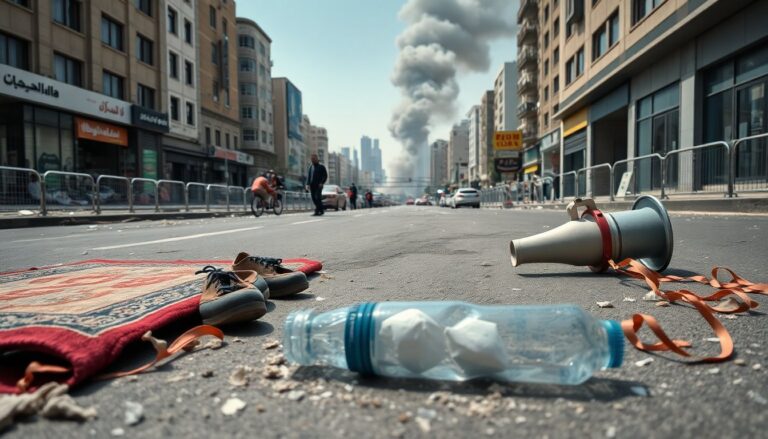
The center of Tehran was shaken when an explosion hit the area where thousands had gathered for an annual Quds Day rally. Authorities reported no immediate casualty figures, but the event’s timing — after an Israeli warning to clear the zone — illuminated how public gatherings have become potential targets in a conflict that has escalated since Feb. 28. The blast also occurred against a near-total internet blackout that left many citizens unable to receive alerts.
Officials and state media broadcast images of smoke and chanting as the crowd reacted, and the incident brought into focus the presence of senior figures at the event. The decision to continue the demonstration despite warnings underscores how both sides are persisting in confrontational displays while military operations intensify across the region.
What happened at the rally
Eyewitness video showed the explosion near Ferdowsi Square, the focal point of the rally where participants chanted slogans against Israel and the United States. Israel posted a message in Farsi on social media urging people to leave the area shortly before the blast, a notice that many could not see due to the widespread shutdown of online services. Iran’s judiciary chief, Gholamhossein Mohseni Ejei, was filmed speaking to a reporter when security aides pulled him away as the strike occurred; other senior officials, including a top security figure, were also present.
Who was there and the immediate reaction
At the scene, state television showed officials insisting that the crowd remain defiant. Iranian authorities and commentators described the suspected attack as evidence of the adversary’s desperation, while the Israeli military later criticized Tehran’s internet cuts for preventing residents from seeing warnings. The episode highlighted an information war playing out alongside kinetic operations: warnings, denials and competing narratives now accompany each strike.
Military strikes and strategic claims
The explosion at the rally came amid a wider barrage of attacks and counterattacks. Israeli statements said its forces struck dozens of sites inside Iran, listing targets such as missile launchers, air defenses and weapons production facilities. U.S. defense officials publicly described a high tempo of operations as well; the Pentagon and allied spokespeople have offered varying tallies, with one U.S. official asserting that more than 15,000 targets have been struck since the start of the campaign.
Leadership, rhetoric and contested reports
Iran’s newly prominent Supreme Leader, Mojtaba Khamenei, issued a written vow to continue strikes and to keep the Strait of Hormuz closed until bombardment stops. U.S. Defense Secretary Pete Hegseth said Khamenei may have been wounded early in the conflict, a claim offered without public evidence. Meanwhile, U.S. and Israeli officials alternately describe dramatic successes in degrading Iran’s military capabilities and warn that further action remains possible.
Regional fallout and economic impact
The conflict’s ripple effects are evident across the Gulf and beyond. Iran has launched missiles and drones at neighboring states and shipping, prompting Saudi Arabia and other countries to report large numbers of intercepted drones. In one Gulf country, two drone crashes killed civilians, and in Dubai falling debris from interceptions damaged buildings in an international financial zone. NATO and regional forces have reported intercepting missiles over Turkey as well.
On the financial front, concerns about energy supplies have pushed the price of Brent crude above $100 per barrel, briefly spiking near $120 and marking an approximate 40% rise from levels when the military campaign began on Feb. 28. Iran’s declaration that it will block oil shipments through the Strait of Hormuz — an important maritime chokepoint for global oil flows — has amplified market volatility and political alarm in capitals worldwide.
Human cost and broader conflict dynamics
Casualty tallies and displacement figures continue to mount across multiple battlefronts. Lebanon has reported hundreds of deaths and large internal displacement as exchanges with Hezbollah intensify; Iran and Israeli officials publish differing fatality counts for their own and allied losses. Authorities also say the United States has suffered military fatalities and injuries in the fighting, and a U.S. tanker crew recovery operation followed the crash of a refueling aircraft that the military said was not due to hostile fire.
At home, U.S. political leaders and international allies are wrestling with the policy implications of an extended campaign. The president’s rhetoric has shifted between promises of decisive results and assurances the conflict will not be open-ended, while public polling shows mixed confidence in the administration’s handling of the war. As strikes, warnings and public events continue to collide, the region remains on a precarious course with significant human, strategic and economic consequences.