Volkswagen, together with its sister brands Skoda and Seat, is facing strong demand for its small electric cars. In some cases, the wait for delivery is approaching two years.
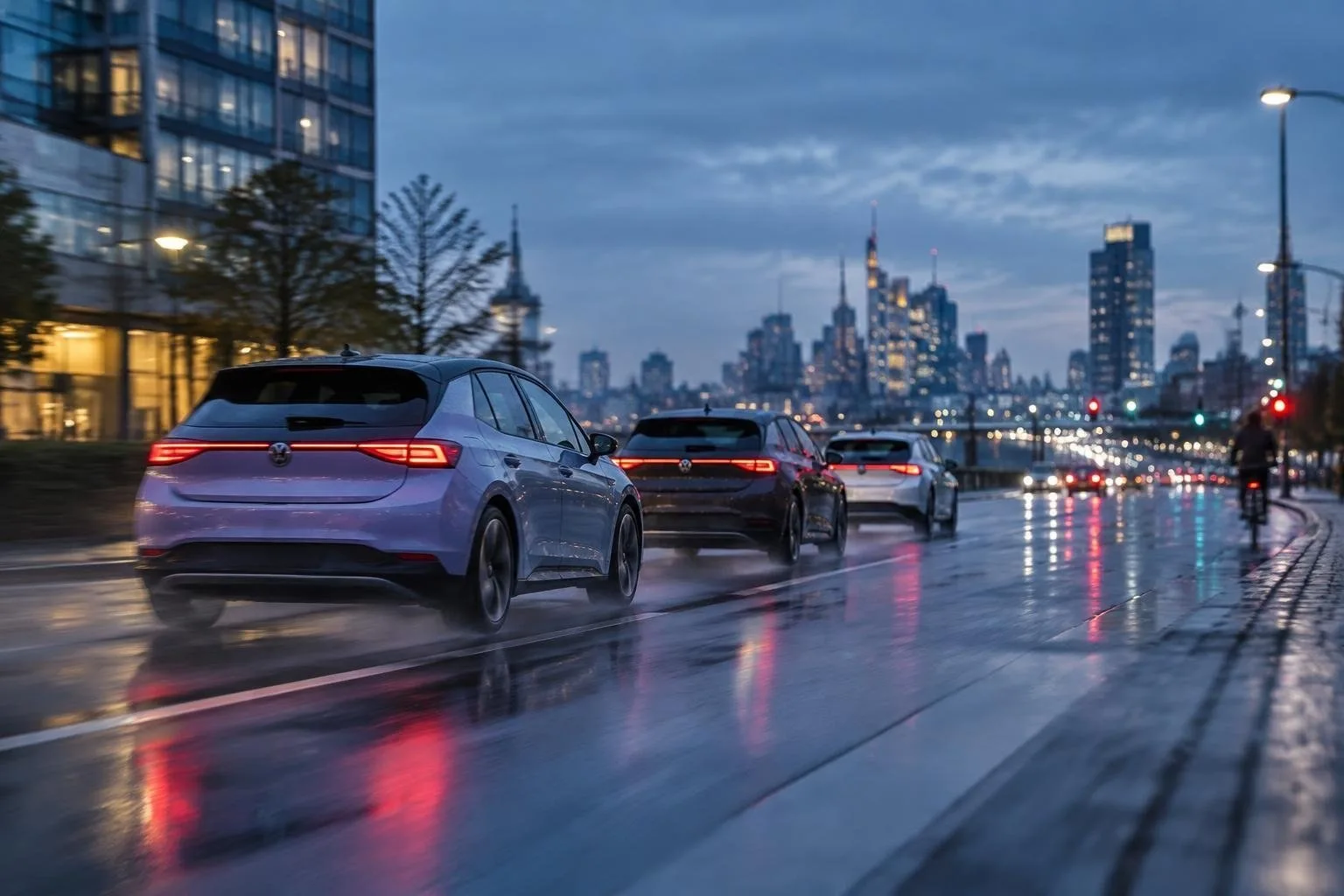
The Volkswagen ID. Polo hatchback has more than 50,000 orders and is one of the best-selling models in the group’s new Electric Urban Car Family. In Germany, the most affordable version has a wait of up to 21 months, according to the Spanish website Motor.es. That is double the 10-month wait reported earlier this year.
Waiting times across the family
The Skoda Epiq, which is technically similar to the ID. Polo, has more than 80,000 orders since its launch. The most popular versions carry waits of up to 17 months. The Cupra Raval has roughly 50,000 orders, and its production was halted for several days at the Martorell plant in Spain, where it shares an assembly line with the ID. Polo.
Taken together, the four models of the family, which also includes the Volkswagen ID. Cross, have attracted about 150,000 orders in Europe since their introduction, up to the end of September. The cheapest versions start at around 24,995 euros in Germany. The more expensive trims ship much faster: the ID. Polo Sportline has a five-month wait, while the ID. Polo GTI takes about seven months.
Production and battery cells limit the ramp-up
The Martorell factory, which builds the ID. Polo and the Cupra Raval, currently runs two shifts and produces up to 1,000 vehicles a day. Work has already started to add a third shift, which would raise output to 1,200 vehicles daily. The bottleneck is battery cells. A nearby plant can build up to 1,200 battery packs per day, but it depends on cells from an external supplier. The Pamplona plant, which assembles the ID. Cross and the Skoda Epiq, faces the same constraint. Those two electric models run on the same line as the combustion-powered T-Cross and Taigo, which bring in more profit than their battery-powered counterparts.
A Volkswagen spokesperson told a German trade publication that demand has risen “significantly more dynamically than originally expected.” The spokesperson added that production “cannot be adjusted short-term to the same extent as this dynamically increasing demand.”
Volkswagen is adding staff, and Gotion’s new cell factory in Spain is expected to be fully operational early next year. The automaker hopes this will allow it to increase production without relying on outside help for cells.
A wider shift toward electric cars
Volkswagen is not the only manufacturer under pressure. The German Association of Automobile Dealers (VAD) says more than 40 per cent of new car orders now involve electric vehicles. Delivery times depend on the brand and range from three to six months, and in some cases exceed a year. VAD president Burkhard Weller said that customers “sometimes have to wait extremely long for their electric cars and are rightfully frustrated.” According to the association, electric registrations, which reached a 37 per cent market share in Germany, only partly show the trend, because many electric orders will not be delivered and registered until next year.